
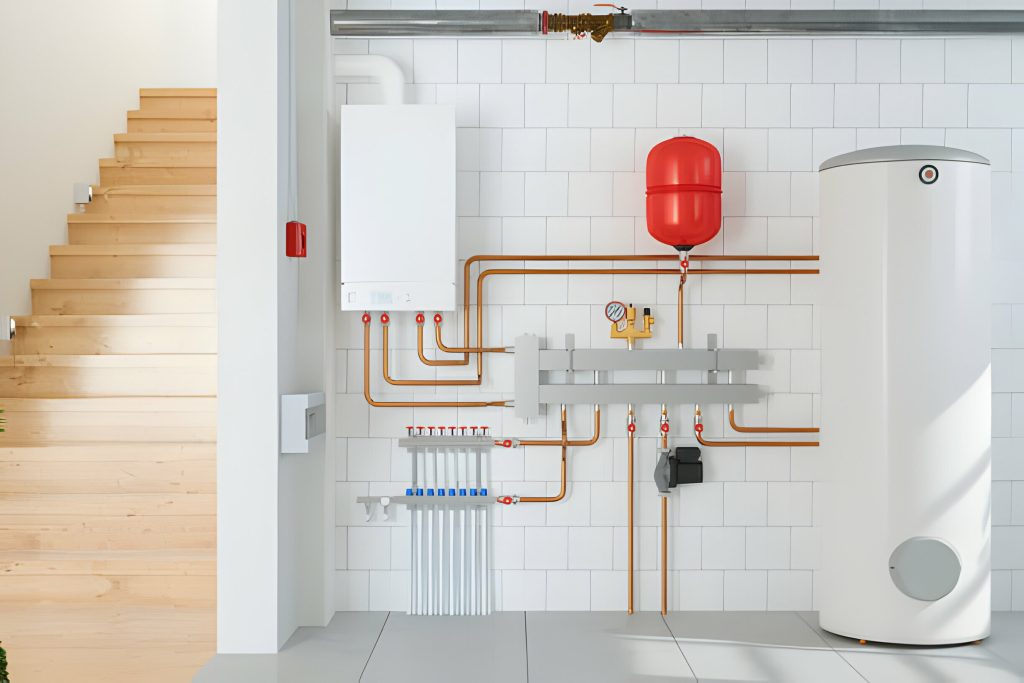
Singapore homeowners often face the challenge of hard water, which can significantly affect the performance and lifespan of water heaters. High levels of calcium and magnesium in tap water lead to limescale buildup, clogged pipes, reduced heating efficiency, and corrosion inside the tank. These issues not only increase energy bills but also result in frequent repairs or premature replacement of your water heater. Understanding how hard water impacts your system and taking proactive steps can help you protect your investment, maintain a consistent hot water supply, and save money over time.
What Hard Water Really Means in Singapore
Hard water contains a high level of naturally occurring minerals in many parts of Singapore’s water supply. While these minerals are safe for daily use, they can cause long-term problems in appliances. Once the water enters the heater tank, the minerals separate and collect at the bottom, forming a thick layer of scale. This layer works like insulation, forcing the heater to use more electricity and heat the water for longer. Homes with older heaters face an even faster buildup rate, especially if the heater has never been flushed or serviced.
Because hard water is a persistent issue in Singapore homes, many property owners turn to PlumberSingapore.org for annual servicing to remove scale and maintain the heater’s performance.
How Hard Water Affects Heating Elements
The heating element is the part of the heater that warms the water. Hard water minerals attach firmly to this element, reducing its ability to transfer heat. As scale builds, the heater must operate for longer periods, resulting in higher electrical consumption and increased heat stress on internal parts. In many cases, the element burns out completely, leaving homeowners with a disrupted hot water supply.
If you notice your water taking longer to heat or turning cold too quickly, it is a strong indicator that your heating element is already coated with scale. A trained plumber can safely remove the element, clean or replace it, and restore proper heating efficiency. This is one of the most common services our professionals at Plumber Singapore handle, especially for HDB flats and landed properties.
Signs Your Water Heater Is Affected by Hard Water
Many heater problems start quietly, so it helps to know the warning signs early. You might hear popping or crackling sounds coming from the heater tank, which happens when steam becomes trapped under the mineral layer. Another common sign is rusty or cloudy water coming from the hot tap. Households also report uneven heating, where the water suddenly turns cold within minutes.
These symptoms indicate that minerals have already built up inside the system. If left untreated, the tank may begin to corrode or leak. Homeowners who ignore these signs often face costly replacements later, which is why Plumber Singapore encourages routine inspections before the damage becomes serious.
Common Problems with Water Heaters in Singapore’s Hard Water Environment
Hard water causes gradual wear inside water heaters, leading to weaker performance and higher electricity use. These problems often start small but become more noticeable as minerals accumulate inside the heater. Understanding these issues helps homeowners take early action and prevent costly repairs.
Limescale and Mineral Build-up
Limescale forms when calcium and magnesium in water harden after being heated inside the water heater. These minerals settle on the heating element, tank walls, and internal parts, forming a rough, chalk-like layer that keeps growing with daily use. When limescale covers the heating element, the heater needs more time and power to warm the water. This leads to slower heating, higher energy bills, and noisy operation. Even a thin layer of buildup can raise electricity consumption and strain the heater.
Clogged Pipes and Heat Exchangers
Minerals not only settle inside the tank but also travel through the heater’s internal channels, causing blockages. Instant heaters are more affected because their water paths are narrow, and even a small deposit can slow water flow. When paths inside the heater become clogged, water pressure drops, and the heater struggles to maintain a steady temperature. This reduces shower comfort, raises energy use, and causes more wear on internal parts.
Reduced Heating Efficiency
Mineral layers act as insulation, stopping the heating element from transferring heat smoothly. Over time, the heater works harder and takes longer to reach the required temperature, causing uneven heating. A less efficient heater consumes more electricity, which increases monthly utility bills. Homeowners often notice the higher cost long before they realize the heater is the cause. Continued strain also shortens the heater’s lifespan.
Rusting and Corrosion
Minerals in hard water make metal parts more likely to rust, especially in storage heaters that hold water for long hours. Heat and moisture create conditions where metal weakens faster than usual. Mineral deposits trap moisture on metal surfaces, accelerating corrosion. This leads to brown water, leaks, and weakened internal parts. Once corrosion becomes severe, repairs are rarely effective, and replacement becomes necessary.
How Long Should Your Water Heater Last in Singapore’s Hard Water Environment?
Water heaters in Singapore generally last several years, but hard water can shorten their lifespan if they are not looked after. Minerals slowly wear down the heating element, tank lining, and internal parts. Knowing how long different heaters usually last helps homeowners plan and avoid sudden breakdowns.
Typical Lifespan of Water Heaters in Singapore
Most storage water heaters in Singapore last around 8 to 10 years, while instant water heaters may last 5 to 7 years. These numbers can drop if the heater is exposed to heavy mineral buildup and not serviced regularly. Homes that use hot water more often usually experience faster wear because the heater cycles more frequently.
How Hard Water Can Shorten the Lifespan
Hard water increases the amount of mineral deposits in the heater, which accelerates wear on the heating element, tank, and connectors. As minerals collect, the heater must work harder to produce hot water. The extra strain reduces the lifespan because parts wear out sooner than expected. Without proper descaling or inspections, even a new heater can start showing issues early.
Signs Your Water Heater May Need Replacement Soon
A heater nearing the end of its life will show warning signs such as rusty water, leaks, noisy operation, or weak heating. You may also notice that the hot water runs out faster than before or takes much longer to heat up. If repairs keep recurring or the heater is older than 8–10 years, it is usually better to replace it before a major failure occurs.
How to Extend the Lifespan of Your Water Heater in Hard Water Conditions
Regular maintenance is essential to keep water heaters working efficiently in Singapore’s hard water environment. Small, consistent actions can prevent major repairs and extend the life of your heater. Homeowners who follow preventive steps save on energy bills and reduce the risk of unexpected breakdowns. Plumbing Singapore offers professional maintenance services to help with these tasks and ensure your system stays reliable.
Regular Flushing of the Water Heater Tank
Flushing the tank removes mineral buildup that forms over time. For storage water heaters, flushing should be done at least once a year to prevent limescale from accumulating on the heating element and tank walls. This process restores heating efficiency, improves water flow, and reduces energy consumption. If you’re unsure how to flush your heater, Plumbing Singapore provides safe flushing services for all types of water heaters.
Installing a Water Softener or Filter
Water softeners reduce the hardness of your water by removing calcium and magnesium before it enters the heater. This prevents limescale from forming and protects internal components. Homeowners in Singapore can choose from ion-exchange softeners, magnetic water conditioners, or inline filters depending on their budget and water usage. Installing a softener helps your heater last longer while keeping energy costs lower.
Check the Anode Rod Regularly
The anode rod is a metal component inside the tank that attracts corrosive elements, protecting the tank from rust. Inspecting it once a year is essential, especially in hard water areas. If the rod is heavily corroded, replacing it early prevents the tank from rusting. Plumbing Singapore can inspect and replace anode rods to maintain optimal protection for your heater.
Proper Temperature Settings
Setting your water heater to the correct temperature, usually around 60–65°C (140°F), reduces strain on the system. Temperatures that are too high accelerate mineral buildup and wear on components, while temperatures that are too low may not prevent bacterial growth. Maintaining the proper setting balances safety, efficiency, and the longevity of your heater.
Schedule Annual Professional Inspections
A yearly inspection by a professional plumber can catch problems early, including minor leaks, corrosion, or heating inefficiencies. These inspections ensure that the heater operates safely and efficiently, reducing the likelihood of sudden failures. Plumbing Singapore provides full inspection services, including descaling, anode rod checks, and system testing to keep your water heater in top condition.
When to Replace Your Water Heater: Signs It’s Time for an Upgrade
Water heaters eventually reach a point where repairs may no longer be cost-effective. In Singapore’s challenging water environment, mineral buildup and corrosion can accelerate this process, making it crucial to recognize when an upgrade is necessary. Selecting the right water heater for your Singaporean home is a critical decision that can impact your comfort, energy efficiency, and utility costs.
When Repair Costs Outweigh Replacement
If your water heater frequently breaks down or requires expensive repairs, it may be more economical to replace it entirely. For example, continuous descaling, heating element replacement, or anode rod fixes can add up over time. Investing in a new, corrosion-resistant, and energy-efficient water heater can save money and prevent future interruptions in hot water supply. Plumbing Singapore can provide cost comparisons to help homeowners decide whether to repair or replace their unit.
Water Heater Is Beyond Repair
Some water heaters show signs of irreversible damage. Look for severe rusting, leaks, inconsistent hot water, or extreme mineral buildup. These issues indicate that the tank or components are compromised beyond simple repairs. Continuing to repair such a unit may lead to sudden failure, causing water damage and higher costs. Replacing your water heater ensures safety, reliability, and improved performance in demanding water conditions.
Factors to Consider When Upgrading
When choosing a new water heater, consider the size to meet household hot water needs, energy efficiency to lower monthly bills, and material quality, such as stainless steel or titanium, to resist hard-water damage. Additionally, check the warranty and availability of professional maintenance services. Plumbing Singapore can assist with selecting, installing, and maintaining water heaters to suit your home and water conditions.
Expert Water Heater Repair Services in Singapore
Even with regular maintenance, some water heater issues require professional attention. Expert repair services can restore efficiency and prevent further damage caused by Singapore’s hard water.
Why Professional Water Heater Repair Is Essential
Experienced plumbers can identify problems that are not easily visible, such as hidden mineral buildup, corrosion in hard-to-reach areas, or malfunctioning heating elements. Attempting DIY repairs may worsen the issue or void warranties. Engaging professionals ensures that repairs are thorough and long-lasting.
Common Water Heater Repairs in Singapore
In challenging water environments, common repairs include descaling, replacing the anode rod, fixing leaks, and repairing corroded components. Regular professional servicing can prevent emergency breakdowns and maintain energy efficiency. Plumbing Singapore specializes in these repairs, ensuring your water heater functions reliably year-round.
Choosing the Right Repair Service
Look for licensed, experienced plumbers who offer transparent pricing, a warranty on repairs, and expertise in challenging water-related issues. Before hiring, ask about experience with water heater models, maintenance services, and emergency support. Plumbing Singapore is a trusted provider offering all these features to safeguard your water heater investment.
Cost of Water Heater Repairs and Replacements in Singapore’s Hard Water Environment
Understanding costs helps homeowners plan for maintenance and replacement without surprises. Routine maintenance, such as flushing the tank, inspecting or replacing the anode rod, and descaling, typically ranges from SGD 80–250, depending on the service complexity. Preventive care helps avoid major breakdowns, saving money over the water heater’s lifespan.
Average Water Heater Replacement Costs
Replacing a water heater in Singapore can cost between SGD 700 and 2,500, depending on capacity, brand, and material. High-quality models with stainless steel or titanium tanks resist hard water damage and often include warranties that cover future repairs, making them cost-effective long-term investments.
How to Budget for Water Heater Maintenance and Replacement
Plan for annual maintenance costs and eventual replacement to avoid emergency expenses. Setting aside a small portion of your monthly budget ensures funds are available for servicing, repairs, or upgrading to a more energy-efficient unit. Plumbing Singapore can provide tailored maintenance packages and advice on cost-effective replacements.
FAQs
Q1: What Is Hard Water and How Does It Affect Water Heaters?
Hard water contains high levels of calcium and magnesium, which cause limescale buildup, reduce heating efficiency, and accelerate corrosion inside water heaters.
Q2: How Often Should I Flush My Water Heater in Singapore?
Flushing your water heater at least once a year is recommended, especially in areas with hard water, to remove sediment and prevent limescale buildup.
Q3: Can a Water Softener Prevent Damage to My Water Heater?
Yes, water softeners reduce calcium and magnesium levels in water, protecting your heater from mineral buildup and corrosion and extending its lifespan.
Q4: Is It Better to Repair or Replace a Water Heater in Singapore’s Hard Water Environment?
Repair is suitable for minor issues, but if your heater has frequent breakdowns, leaks, or severe rust, replacement is more cost-effective and safer in the long term.
Protecting Your Investment: Prolonging the Life of Your Water Heater
Regular maintenance, timely repairs, and choosing the right water heater are key to surviving Singapore’s challenging water conditions. Flushing the tank, installing water softeners, checking the anode rod, and scheduling professional inspections all help prevent significant problems.
Investing in a corrosion-resistant and energy-efficient water heater can save you money over time and ensure reliable hot water for your home. Plumbing Singapore provides professional installation, repair, and maintenance services, helping homeowners protect their water heaters, extend their lifespans, and reduce energy costs.